Design Studies
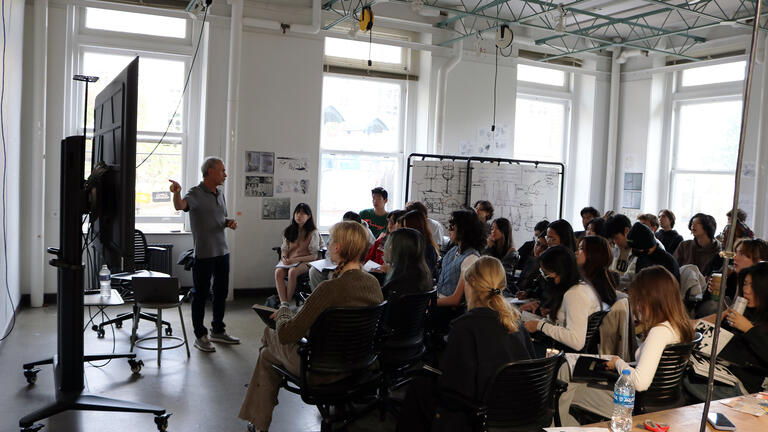
Design Studies at Carnegie Mellon explores the theoretical foundations of design and its impact on the world in the 21st century. These courses provoke inquiry into the cultural, political, and ecological conditions that design both shapes—and is shaped by.
Structured as a sequence of eight mini-courses across the first and second years of the School of Design’s undergraduate curriculum, followed by a year of electives in the third year, Design Studies complements and deepens your studio practice. You’ll engage with a broad range of tools and methods to critically examine design’s world-making—and world-breaking—power. Along the way, you’ll also encounter theories and methods from other disciplines, which broaden your perspective and equip you to engage design in relation to wider social, cultural, and ecological concerns.
Through this journey, you’ll develop your own design ethos and become a designer who not only knows how to make, but also understands why and for whom you make. You’ll also learn to consider the short- and long-term implications of your work, recognizing how design decisions shape futures in intended and unintended ways.
The Design Studies curriculum encompasses eight courses: Place, Histories, Futures, Experience, Systems, Cultures, Persuasion, and Power. These courses are foundational for undergraduate student designers across all tracks of the School of Design's educational curriculum (e.g., Products, Communications, Environments). They are an essential part of preparing for inspiring and impactful future design-centered careers. Studio instructors integrate sensibilities, design research methods, and theoretical frameworks from the eight Design Studies courses into their studio courses throughout the undergraduate curriculum.

Place
Place introduces students to place-based design thinking. It trains your senses to perceive the designed systems that sustain everyday human lifestyles—especially the infrastructures and services often invisible to city dwellers in the built environment.
You’ll explore the relationships between natural and artificial worlds, and learn methods to evaluate environmental and social impact at both regional and local levels. Coursework develops your capacity to reveal dynamic relationships among people, places, and systems.
Topics include:
- Reflective process
- Cooperative learning
- Relationational methods
- Fundamental Human Needs
- Neighborhoods
- Embodiment
- Nature
- Material Consumption and Waste
Histories
Histories explores a plurality of design histories that extend beyond the dominant Anglo-European narrative. Through guest lectures, critical readings, and lively debates, you’ll expand your understanding of design as a dynamic field—one that evolves over time in response to broader technological, social, and philosophical developments.
Design history is not a single story, but a tapestry woven from many threads—some more visible than others, yet all relevant in shaping the discipline. Coursework includes authoring a well-historicized account of an influential designer, practice, or movement, which will be featured in a growing online archive.
Topics include:
- Design's Ongoing Journey
- History as Imagining the Past
- Pluriversal Histories
- Pulling-on Narrative Threads
Futures
Futures frames design within a temporally extended, systemic context. It offers essential perspectives, practices, and competencies that become increasingly important as designers advance in their careers and as the field evolves to recognize its significant powers and responsibilities.
You’ll explore a range of futures methods that support ideation and storytelling, problem-finding and framing, brief formulation, project coordination, and collaboration. Coursework includes engagement with readings and videos, hands-on creative workshops, and visual prototyping and sketching.
Topics include:
- STEEP
- Alternative Futures
- Causal Layered Analysis
Experience
Experience explores how design touches people’s lives and shapes both material and non-material worlds. Through lectures, viewings, and class discussions, we’ll investigate what design is and what designers can do.
You’ll engage with contrasting definitions of design and come to understand it as an experientially rich process. We’ll examine how users and audiences interact with designed artifacts and systems, and debate the designer’s responsibility to consider what lies behind those interactions.
Coursework includes individual and team projects that explore design’s role in shaping our experience of the world.
Topics include:
- Humanitarian Design
- Designing for Access
- Cradle to Cradle
- Art in Design and Design in Art
Systems
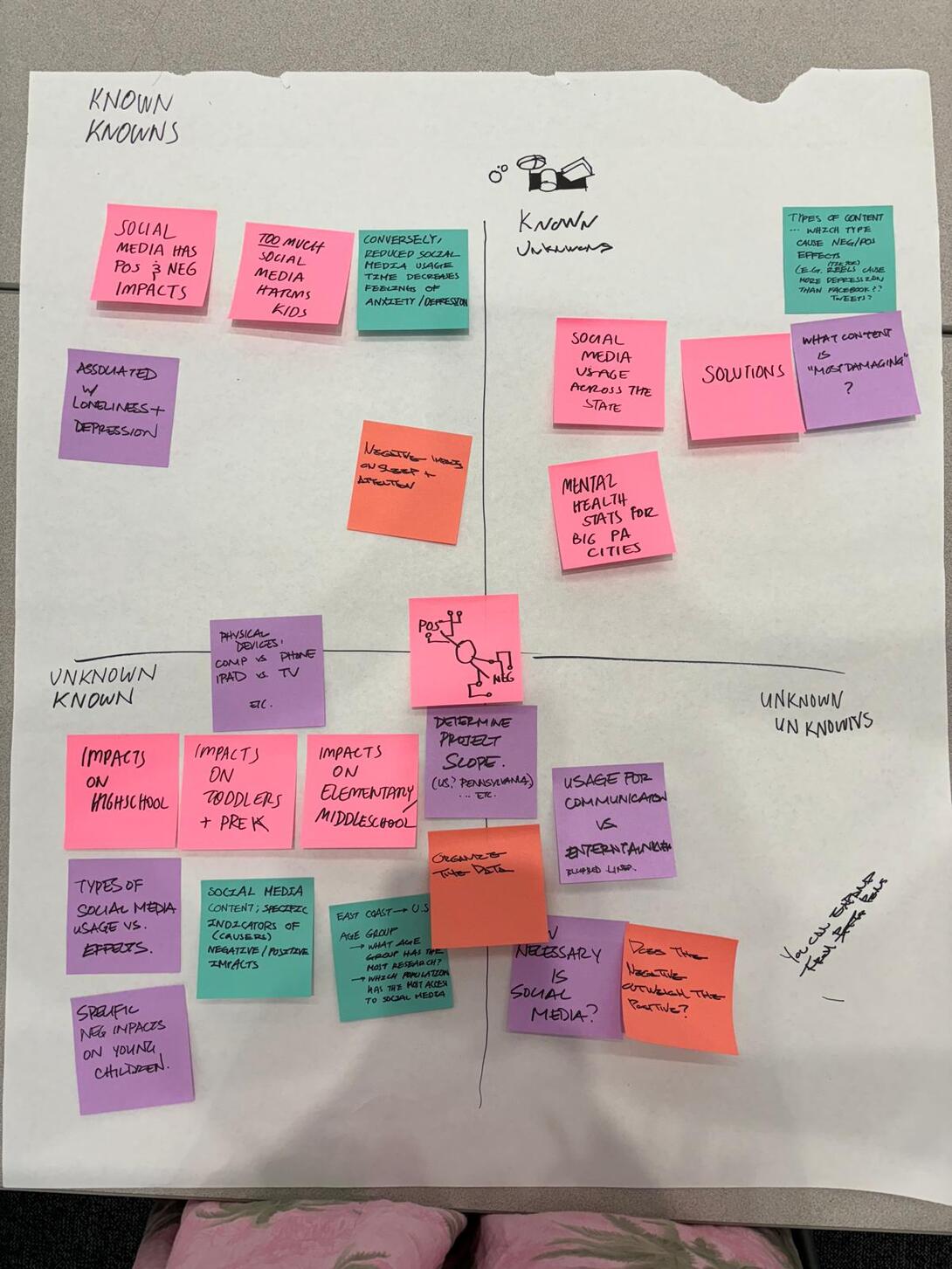
Systems prepares you to design for—and within—complex systems. You’ll engage with systems theory and experiment with systems-thinking techniques to interpret and illustrate how ecological, social, and cultural systems operate across different scales.
You’ll learn to identify leverage points within systems and design interventions that open up possibilities for shifting norms, behaviors, attitudes, and habits. Coursework includes exposure to theoretical frameworks, analysis of case studies, and complexity mapping projects that help you analyze and represent the world from scalar and systemic perspectives.
Topics include:
- Systems Theory
- Living Systems & Wicked Problems
- First and Second Order Cybernetics
- Leverage Points & Designing for Scales of Change
Cultures
Cultures immerses you in the ways societies shape design—and how design, in turn, shapes societies. Rooted in historical and philosophical understandings of identity and culture, this course explores various aspects of human difference and their relationship to the designed, material worlds we inhabit.
Coursework involves reflective practices that connect theoretical, personal, and contextual understandings of the themes explored. You’ll examine meaning, purpose, and values that define you both as a person and as a designer.
Topics include:
- Human Differences and Worldviews
- Material/Designed World
- Self and Collective Reflective Work
- World-Making
Persuasion
Persuasion develops your ability to communicate your ideas effectively—helping others understand your message, value your work, and want to collaborate with you. These skills are essential throughout your design career, both within and beyond the field.
You’ll explore how people are influenced by others, media, technology, environments, and design itself. Understanding what persuades you and others is key to deepening your self-awareness, strengthening your design practice, and engaging more thoughtfully with society.
Coursework includes a series of persuasive, exploratory exercises such as filmmaking and the exhibition of speculative work.
Topics include:
- Design is Persuasion
- Behavior Change
- Developing Your Argument
- Strategies and Ethics of Persuasion
Power
Power explores the concepts of politics, the political, and the forces that intertwine with design. You’ll delve into the complex mesh of plural forms of knowledge, wisdom, power, and design. A deep engagement with ideology invites critical reflection on how designed artifacts embody values and beliefs—shaping what people think, and influencing their aspirations, desires, and behaviors.
You’ll be introduced to emerging design practices and theories that harness the power of design for social change, grounded in sociocultural and ecological mindsets. Coursework includes facilitated activities for collective analysis of topics at the intersection of design and power.
Topics include:
- Ideology, Politics, and Power
- The Politics of Design
- Affect, Objects, Intentionality, and Ethics
- Making, Unmaking, and Being